
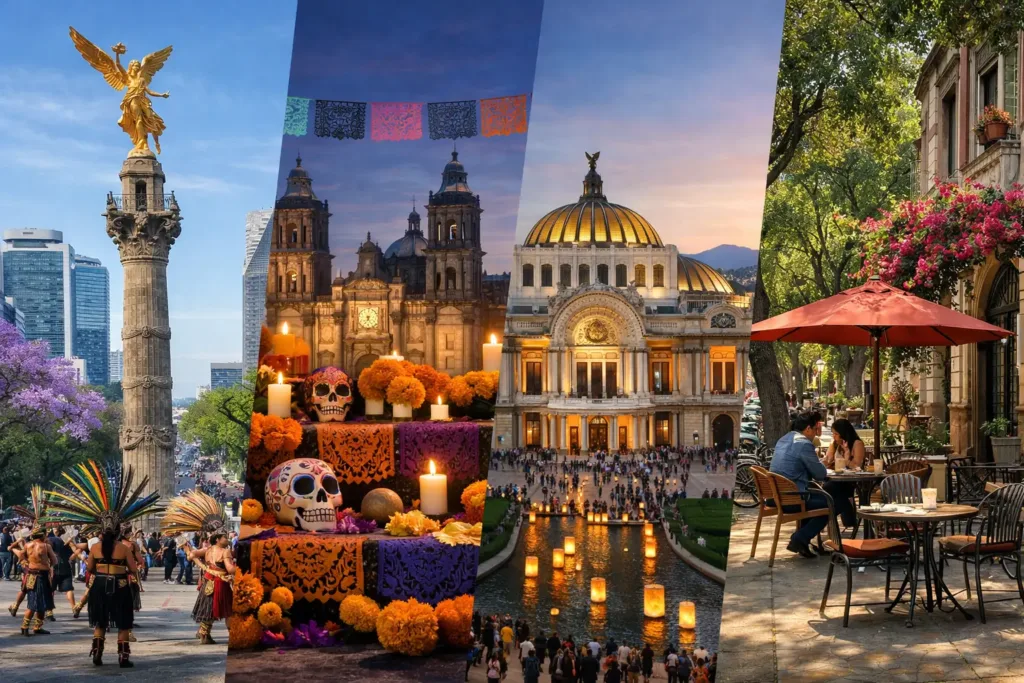
Some cities ask for an itinerary. Mexico City asks for timing. Come during a major art week and the city feels electric and overbooked in the best and worst ways. Arrive during Holy Week, summer rains, or the lead-up to Day of the Dead, and the rhythm changes completely. That is why a smart mexico city cultural calendar matters – not as a checklist, but as a way to choose the version of the city you actually want to experience.
For travelers who care about neighborhood life, design, food, and culture, the calendar can shape everything from restaurant reservations to museum crowds to how long you linger in a plaza after dark. Mexico City always has something going on, but it does not feel the same every month. The city moves in layers: official festivals, local traditions, school holidays, gallery openings, weekend markets, and seasonal food all overlap.
How to use a Mexico City cultural calendar
The mistake many visitors make is planning only around weather. In CDMX, cultural timing often matters more. A dry, sunny weekend sounds ideal until you realize it coincides with a massive public event that fills central neighborhoods and changes traffic patterns all day. On the other hand, a rainy month can be a beautiful time to visit if your priority is museums, long lunches, film programming, and a calmer pace.
Think of the Mexico City cultural calendar as a filter. Start with the experience you want. If you want gallery energy, creative crowds, and late dinners, target the periods when the art world is especially active. If you want a more intimate neighborhood feel, look for weeks between major holidays, when locals are in town and daily life is less performative. If you want public celebrations and a stronger sense of tradition, there are specific windows when the city spills into the street.
It also helps to separate citywide events from neighborhood rhythms. A headline festival may pull attention to Centro, Chapultepec, or larger venues, while Roma and Condesa continue with their own smaller exhibitions, restaurant collaborations, and weekend foot traffic. Both can be worth planning around. It depends on whether you want scale or texture.
Winter to early spring: art, design, and a sharper social pace
From January into March, the city tends to feel focused and energized. People are back from the holidays, cultural programming picks up, and the weather is often comfortable for walking. This is one of the strongest stretches for visitors who want to spend mornings in museums, afternoons in galleries, and evenings moving between dinner, cocktails, and events.
February is especially notable because art and design activity often intensifies. During the broader art week period, fairs, openings, pop-ups, and creative gatherings draw both local and international crowds. If that scene is your reason for coming, the atmosphere can be thrilling. You will feel it in Roma, Juárez, San Miguel Chapultepec, and beyond. The trade-off is that sought-after restaurants get harder to book, some places feel more social than relaxed, and prices across the city can rise.
March often keeps some of that momentum while feeling slightly easier to navigate. Jacaranda season also transforms the city visually. Purple blooms appear across avenues and parks, softening even the busiest routes. It is one of the most photogenic moments of the year, but not in a staged way. The color just becomes part of everyday life.
Spring holidays and early summer: tradition, heat, and changing routines
April and May can shift depending on the timing of Holy Week and school breaks. If your visit overlaps with vacation periods, some parts of the city feel quieter while major attractions remain busy. This can actually work in your favor if you prefer a slower residential atmosphere in certain neighborhoods and do not mind planning museum visits with a bit more care.
This is also when weather starts to matter more. Hotter afternoons can make long cross-city days less appealing, especially if your ideal trip involves wandering on foot. A better rhythm is to start early, take your cultural outings before lunch, slow down in the afternoon, and return outside in the evening when the city regains its energy.
Food shifts with the season too. Menus get brighter, markets feel especially abundant, and outdoor dining becomes more tempting before the rainy season settles in. If your idea of culture includes eating well and understanding local habits through the table, this part of the year rewards a less rushed schedule.
Summer in CDMX: rain, cinema, and a more local tempo
Visitors sometimes hesitate about summer because of the rain, but that misses the point. In Mexico City, summer showers usually shape the day rather than ruin it. Mornings can be clear, afternoons dramatic, evenings fresh. If you plan around that pattern, summer can be one of the most livable times to be here.
Culturally, this season leans well for people who like interiors as much as street life. Cinemas, museums, performance venues, bookstores, and cafés become part of a comfortable daily circuit. The city does not stop when it rains. It simply edits itself. You move from terrace culture to cultural spaces with a roof, and that can create a more grounded experience.
July and August also bring school holidays, so some attractions and family-friendly areas may feel busier. At the same time, many residents leave town on weekends, which can make certain neighborhoods feel lighter. That contrast is useful. You might find a museum full in the afternoon but a favorite brunch street noticeably calmer the next morning.
For remote workers or longer-stay travelers, summer often suits a balanced routine. Work in the morning, explore in the early afternoon, pause for the rain, then head back out for dinner. It is a season that rewards flexibility rather than rigid scheduling.
Fall: the richest stretch on the cultural calendar
If you want the city at its most layered, fall is hard to beat. September brings patriotic celebrations, with public spaces taking on a more festive mood around Independence Day. These dates can be exciting if you want to witness civic tradition and street energy, but they are not ideal if you are looking for quiet evenings or easy movement through central areas.
October begins one of the most atmospheric transitions of the year. The light changes, the city feels slightly cooler, and cultural programming starts building toward Day of the Dead. This is when the mexico city cultural calendar becomes especially rewarding for visitors who care about symbolism, craft, food traditions, and public art.
By late October and early November, altars, marigolds, bakery displays, themed menus, neighborhood installations, and larger city events create a distinct seasonal texture. Some experiences are beautiful and intimate. Others are heavily attended and increasingly global in feel. Both are real, and both are worth understanding before you book your trip.
If your goal is reflection, local ritual, and detail, spend time in neighborhood spaces, markets, smaller cultural venues, and everyday streets where seasonal decoration appears naturally. If your goal is spectacle, the larger parades and public displays deliver scale. The best approach is usually a mix of both.
Late fall and December: cooler days, holiday light, and social warmth
November after Day of the Dead can feel surprisingly balanced. The city settles a little, the weather is often pleasant, and there is still plenty of cultural life without the intensity of a major festival week. For many travelers, this is a sweet spot.
December has its own charm. Seasonal lights, gatherings, concerts, and end-of-year meals bring a softer kind of festivity. It is less about one defining cultural event and more about atmosphere. You notice it in bakeries, family restaurants, neighborhood plazas, and the way evenings stretch around shared tables.
Toward Christmas and New Year, local routines shift. Some independent businesses reduce hours or close briefly, while others stay lively with holiday traffic. If you visit then, it helps to build in patience and keep your plans light. The city is still generous, just less predictable.
What matters beyond the big events
A useful mexico city cultural calendar should include more than marquee dates. In practice, some of the best timing decisions have to do with smaller patterns: which day museums close, when galleries tend to open new shows, when weekend markets are strongest, when traffic becomes difficult, and when neighborhoods feel residential versus performative.
In Roma, for example, a regular weekend can tell you as much about the city as a festival can. You see how locals use cafés as workspaces, where lunch stretches into late conversation, and how design, food, and culture fold into daily life rather than standing apart from it. That is often the version of CDMX people remember most clearly.
This is also where a local perspective matters. A citywide event may look appealing on paper but pull you away from the kind of trip you actually want. If your priority is discovering bookstores, small galleries, modern Mexican dining, and streets you can return to twice in one day, you may prefer a quieter cultural week over a famous one. That is part of traveling well here – knowing that more activity does not always mean a better fit.
The best cultural calendar is not the busiest one. It is the one that matches your pace, your curiosity, and the neighborhoods you want to feel from the inside. Choose your season with that in mind, and Mexico City will meet you there.